

Is Herbal Tea Safe During Pregnancy? Chamomile Tea and Other Options for Pregnant Women.
If you’re pregnant and wondering about the safety of herbal tea while pregnant, you’re not alone. Many women turn to herbal teas like chamomile tea while pregnant for their calming effects. However, not all herbal teas are safe during pregnancy. It’s important to choose the right ones, like peppermint or ginger tea, which are generally considered safe. In this article, we will explore which herbal teas are safe to drink and which ones to avoid during pregnancy. Stay informed to ensure a healthy pregnancy while enjoying a warm cup of tea!
Table of Contents
Herbal Tea During Pregnancy: Safety and Precautions
When you’re pregnant, it’s natural to want to enjoy a soothing cup of tea, but it’s important to know which teas are safe. Herbal tea for pregnant women can offer relaxation, but some herbs may not be suitable. Many wonder, can you drink herbal tea while pregnant? In this guide, we’ll explore safe herbal teas while pregnant, like chamomile and peppermint, and discuss which herbal teas to avoid. Stay informed to enjoy your pregnancy with peace of mind and a warm, safe cup of tea.
Can you drink herbal tea while pregnant
While herbal tea while pregnant can offer benefits like relaxation or digestion support, not all herbal teas are safe. Chamomile tea while pregnant is generally safe in moderation, but some herbs may cause complications. It’s important to choose herbal teas safe while pregnant, such as ginger or peppermint tea, and avoid others that could pose risks. Always consult your healthcare provider to ensure the herbal tea you choose won’t negatively affect your pregnancy.

Herbal Teas to Avoid While Pregnant
When it comes to herbal tea while pregnant, not all herbs are safe for expecting mothers. Some herbal teas can pose risks, either by stimulating contractions, affecting hormone levels, or causing other health issues. Below are some herbal teas to avoid during pregnancy:
- Licorice Root Tea – Licorice root is known for its ability to raise blood pressure and can also lead to hormonal imbalances. It’s best to avoid Licorice Root Tea while pregnant, as it may cause complications such as premature labor or developmental issues in the baby.
- Black Cohosh Tea – Often used to induce labor or ease menstrual discomfort, Black Cohosh Tea can stimulate contractions and may increase the risk of preterm labor. Pregnant women should avoid this tea for safety.
- Sage Tea – Sage Tea contains compounds that can stimulate menstruation and may cause uterine contractions. Drinking this tea while pregnant could potentially lead to a miscarriage or other pregnancy complications.
- Pennyroyal Tea – Known for its strong effects on the uterus, Pennyroyal Tea is a known abortifacient and should be completely avoided during pregnancy. It can cause serious harm to both the mother and the baby.
- Goldenseal Tea – Goldenseal Tea contains berberine, which can cross the placenta and may negatively affect the baby. It can also lead to uterine contractions, making it dangerous for pregnant women.
What Herbal Tea is Safe to Drink While Pregnant?
When it comes to drinking herbal tea while pregnant, it’s important to choose teas that are safe and beneficial for both the mother and baby. While some herbal teas can pose risks, there are several options that can help support a healthy pregnancy. Below are some herbal teas safe while pregnant:
Ginger Tea – Ginger Tea is widely known for its ability to ease nausea and morning sickness, which many pregnant women experience, especially during the first trimester. It can help alleviate digestive discomfort and reduce bloating. Ginger is generally considered safe when consumed in moderation, making it an excellent choice for herbal tea for pregnant woman.
Peppermint Tea – Peppermint Tea is another soothing option for pregnant women. It helps relieve indigestion, bloating, and nausea. Peppermint is also known for its calming properties, which can help with stress and headaches during pregnancy. Drinking Peppermint Tea while pregnant is considered safe in moderation.
Chamomile Tea (in small amounts) – Chamomile Tea is often used for its calming effects and is known to promote relaxation and better sleep. However, it should be consumed in moderation during pregnancy, as large amounts may not be safe. Always consult your doctor to ensure it’s appropriate for your specific needs. Chamomile Tea in small amounts can be a comforting option.
Red Date Tea – Red Date Tea, made from dried red dates, is a popular herbal tea in many cultures, especially in Asian countries. It is rich in vitamins and iron, which are important during pregnancy. This tea helps boost energy levels and improve blood circulation, making it a safe and nourishing choice for herbal teas you can drink while pregnant.
Honeysuckle Tea – Honeysuckle Tea is known for its anti-inflammatory properties and is often used to support the immune system. While it is generally safe in moderation, pregnant women should always check with their healthcare provider before adding any new herbal teas to their routine, as some honeysuckle varieties may not be safe for pregnancy.
In conclusion, when selecting herbal teas to drink while pregnant, always choose options that are known for their safety and benefits. Teas like Ginger Tea, Peppermint Tea, and Chamomile Tea (in small quantities) are generally safe and can help with common pregnancy symptoms. Always consult your doctor to ensure that your herbal tea choices are suitable for your individual health needs.

Considerations for Pregnant Women Drinking Herbal Tea
Drinking herbal tea while pregnant can offer several health benefits, such as alleviating nausea, promoting relaxation, and improving digestion. However, it’s important for pregnant women to be cautious when choosing herbal teas, as some herbs can have adverse effects during pregnancy. Below are key considerations for pregnant women drinking herbal tea:
Consult Your Healthcare Provider
Before incorporating herbal tea for pregnant woman into your routine, always consult your doctor. Some herbs can cause complications, while others may not be safe in certain stages of pregnancy. For example, while some herbal teas are known for their soothing effects, others can induce contractions or affect hormone levels.Choose Safe Herbal Teas
Certain herbal teas safe while pregnant are beneficial, such as Peppermint Tea, Ginger Tea, and Chamomile Tea (in moderation). These teas are known to help with nausea, digestive issues, and anxiety. Always ensure that the herbs you choose are safe for pregnancy and free from harmful additives or caffeine.Avoid Certain Herbs
Some herbs are not recommended for pregnant women, as they can lead to complications such as preterm labor or miscarriage. Herbs like Licorice Root Tea, Black Cohosh Tea, and Pennyroyal Tea should be avoided during pregnancy. It’s also best to stay away from teas containing excessive amounts of caffeine or stimulating herbs that can affect your blood pressure or heart rate.Mind the Quantity
Even herbal teas safe while pregnant can have side effects if consumed in large quantities. It’s important to drink herbal tea in moderation. Too much Chamomile Tea or Peppermint Tea, for example, can cause digestive issues or interact with other medications.Stay Hydrated
While herbal teas can be a comforting and hydrating choice, they should not replace water as your primary source of hydration. Drinking adequate amounts of water is essential during pregnancy for both maternal and fetal health.Check for Additives or Artificial Flavors
When choosing herbal teas to drink while pregnant, make sure to opt for teas that do not contain artificial flavors, sweeteners, or preservatives. These additives can have negative effects on your health or your baby’s development.Be Aware of Timing
Some herbs can have mild sedative effects, such as Chamomile Tea, which may be beneficial before bedtime. However, drinking these teas too late in the day could affect your sleep pattern. Consider the timing of your herbal tea consumption to align with your body’s needs.
In conclusion, drinking herbal tea while pregnant can be a safe and enjoyable way to support your health, but it’s essential to be mindful of the types of herbs you choose. Stick to herbal teas safe while pregnant and avoid those that may pose a risk. Always consult with your healthcare provider for personalized advice to ensure a healthy pregnancy.
Chamomile Tea and Pregnancy: What You Need to Know
Chamomile tea is a soothing herbal beverage often used to relax and aid sleep. However, if you’re pregnant, you may wonder, “Can I drink chamomile tea while pregnant?” and “Is chamomile tea safe to drink while pregnant?” While chamomile is generally safe in moderation, it’s essential to be cautious during pregnancy. Some studies suggest that excessive chamomile may pose risks, particularly in the first trimester. Always consult your healthcare provider before adding chamomile tea to your routine to ensure it’s safe for both you and your baby.
Can I Drink Chamomile Tea While Pregnant?
Yes, chamomile tea while pregnant is generally considered safe in small amounts, but moderation is key. Drinking chamomile tea occasionally may help with relaxation and sleep, but excessive intake could lead to risks such as uterine contractions. It’s especially important to avoid chamomile tea during the first trimester unless your doctor approves it. Always consult with your healthcare provider before consuming chamomile tea during pregnancy to ensure it is safe for you and your baby.

Can I Drink Chamomile Tea While Pregnant? First Trimester, Second Trimester, and Third Trimester
Here’s what you need to know about drinking chamomile tea during different stages of pregnancy:
1. First Trimester:
- Can I drink chamomile tea while pregnant in the first trimester?
In the first trimester, it’s generally advised to avoid chamomile tea. The early stages of pregnancy are critical, and chamomile may increase the risk of miscarriage or cause uterine contractions when consumed in large amounts. Always consult your healthcare provider before including chamomile in your routine during the first trimester.
2. Second Trimester:
- Can pregnant women drink chamomile tea during the second trimester?
While chamomile tea is not as risky during the second trimester, it is still recommended to consume it in moderation. Some women may choose to drink it to relieve mild pregnancy discomforts, like insomnia or indigestion, but always check with your doctor to ensure it’s safe for your specific situation.
3. Third Trimester:
- Can I have chamomile tea while pregnant in the third trimester?
During the third trimester, chamomile tea can be safer for occasional use but should still be consumed cautiously. It can have a mild sedative effect, which may be helpful for sleep, but high doses may lead to complications like increased risk of bleeding. It’s best to avoid regular consumption and consult your doctor.

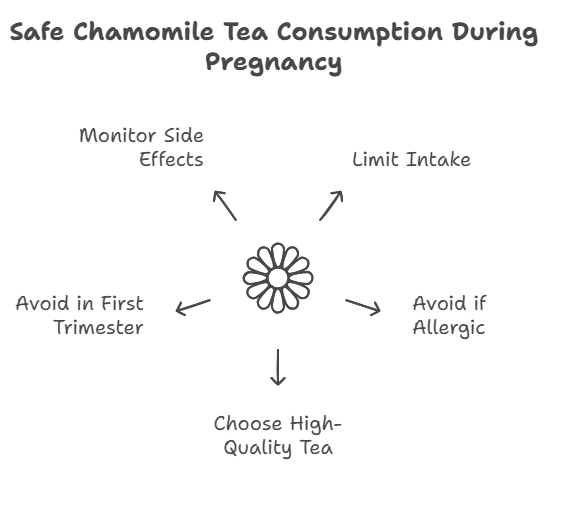
How to Safely Drink Chamomile Tea While Pregnant?
Chamomile tea can offer comfort, but it’s important to approach it carefully during pregnancy. Here are some tips to ensure you can enjoy chamomile tea safely:
1. Limit Your Intake
- If approved by your doctor, it’s essential to drink chamomile tea in moderation. While chamomile tea for pregnant women is generally safe in small quantities, excessive consumption can increase the risk of uterine contractions or other complications. Limit yourself to one cup per day, especially during the first trimester.
2. Avoid Chamomile Tea If You Have Allergies
- If you are allergic to ragweed or other plants in the daisy family, you should avoid chamomile tea. For women with such allergies, chamomile can cause allergic reactions, which could be harmful during pregnancy. Always ensure that you are not allergic before consuming it.
3. Choose High-Quality, Pure Chamomile
- Ensure the chamomile tea pregnant options you choose are of high quality, free from added preservatives, chemicals, or other herbs that might be unsafe during pregnancy. Look for organic, caffeine-free chamomile tea to minimize risks.
4. Avoid Chamomile Tea in the First Trimester
- The first trimester is a critical period in pregnancy. Some experts recommend avoiding chamomile tea during this stage due to its potential to cause uterine contractions or increase the risk of miscarriage. It’s safer to wait until later stages of pregnancy, unless otherwise advised by your healthcare provider.
5. Watch for Any Side Effects
- Always pay attention to how your body responds to chamomile tea. If you notice any adverse effects like dizziness, cramps, or allergic reactions, stop drinking the tea immediately and consult your healthcare provider.
While chamomile tea while pregnant can be enjoyed in moderation, it’s important to approach it cautiously. Consult your healthcare provider, limit your intake, and ensure that you’re using high-quality chamomile tea to ensure it’s safe for both you and your baby.
Can You Drink Hibiscus Tea While Pregnant?
Drinking hibiscus tea while pregnant is not recommended unless advised by a healthcare provider. Hibiscus can have a uterine-stimulating effect, which may increase the risk of miscarriage or early labor, especially during the first trimester. Is hibiscus tea safe while pregnant? The potential risks of hibiscus tea, including its ability to lower blood pressure, can be a concern for pregnant women. If you’re considering hibiscus tea during pregnancy, it’s crucial to consult with your doctor to ensure it’s safe for you and your baby. Always prioritize your health and your baby’s well-being when choosing herbal teas.
Can I Drink Hibiscus Tea While Pregnant: First Trimester, Second Trimester, and Third Trimester
Drinking hibiscus tea while pregnant requires careful consideration depending on which stage of pregnancy you are in. Below is a breakdown of the potential safety in each trimester:
First Trimester:
During the first trimester, it is not recommended to drink hibiscus tea while pregnant. Hibiscus has been shown to potentially stimulate uterine contractions, which may increase the risk of miscarriage or early labor. It is best to avoid it during this early stage.Second Trimester:
In the second trimester, some women may choose to consume hibiscus tea in moderation, but it should only be done under the guidance of a healthcare provider. Can pregnant women drink hibiscus tea during this time? It may be safer in limited amounts, but it’s still crucial to consult with your doctor to evaluate any risks.Third Trimester:
In the third trimester, caution is still advised when considering hibiscus tea during pregnancy. While some studies suggest it may help lower blood pressure, which could be beneficial, its ability to stimulate the uterus is still a concern. Always check with your healthcare provider before introducing hibiscus tea into your diet, even at this stage.
How to Safely Drink Hibiscus Tea While Pregnant
Pregnancy is a time to be mindful of what you consume, including herbal teas like hibiscus. If you’re wondering can pregnant women drink hibiscus tea, it’s important to understand the risks and guidelines to ensure safety for both you and your baby. Here are a few tips for safely consuming hibiscus tea while pregnant:
Drink in Moderation
If your doctor gives the green light, consider drinking hibiscus tea in moderation. Can you drink hibiscus tea while pregnant in small amounts? Some studies suggest it’s safe in limited quantities, but excessive consumption may lead to risks, including affecting your blood pressure or stimulating uterine contractions.Avoid During the First Trimester
During the first trimester, it’s best to avoid hibiscus tea altogether. Some research suggests it may increase the risk of miscarriage or premature labor, so it’s safer to stay away from it during this crucial period.Limit Intake in Later Trimesters
In the second and third trimesters, you may be able to consume hibiscus tea occasionally, but always under the supervision of your healthcare provider. Drinking hibiscus tea while pregnant later on may help with certain health benefits, like lowering blood pressure, but it’s important to monitor your intake.Watch for Any Reactions
Always pay attention to how your body reacts after drinking hibiscus tea. If you experience any unusual symptoms like dizziness, cramping, or nausea, stop consuming the tea and consult your doctor immediately.
By following these guidelines, you can make an informed decision about drinking hibiscus tea during pregnancy and ensure a safe and healthy pregnancy journey.

Can you drink peppermint tea while pregnant?
Yes, peppermint tea while pregnant is generally considered safe for most women when consumed in moderation. However, it’s important to consult with your healthcare provider before drinking it regularly. Peppermint tea for pregnant women can help alleviate symptoms like nausea and indigestion, but excessive consumption may lead to digestive issues or heartburn. As with any herbal tea, moderation is key, and always ensure it doesn’t interfere with any other health conditions or medications. If you’re unsure, your doctor can guide you on the appropriate amount.
Benefits of Peppermint Tea During Pregnancy
Peppermint tea is a popular herbal drink that can offer several benefits during pregnancy. However, it’s important to consume it in moderation and ensure it is safe for your unique health needs. Below are the key benefits of drinking peppermint tea while pregnant:
Relieves Morning Sickness and Nausea
- One of the most common uses of peppermint tea for pregnant women is to alleviate morning sickness. Its calming and soothing properties help settle the stomach and reduce nausea, making it a natural remedy to cope with the discomfort often experienced in the first trimester.
Helps with Digestion
- Peppermint tea while pregnant can help relieve digestive issues, such as bloating, indigestion, and gas. Peppermint has natural antispasmodic effects that can ease stomach cramps and promote smoother digestion, making it a great option to soothe an upset stomach.
Reduces Headaches
- Pregnant women often experience headaches due to hormonal changes or stress. Drinking peppermint tea while pregnant can help relax tense muscles around the head and neck, providing relief from tension headaches.
Promotes Relaxation and Reduces Stress
- Mint tea when pregnant can offer a soothing effect, which is beneficial for relaxation. The aroma and taste of peppermint can help reduce stress and anxiety, helping pregnant women feel calmer and more at ease.
Supports Respiratory Health
- Peppermint tea pregnant may also provide relief from nasal congestion and other respiratory issues. The menthol in peppermint helps open up airways and ease breathing, making it a soothing choice for women dealing with colds or sinus congestion during pregnancy.
Boosts Energy Levels
- Peppermint tea can offer a mild energy boost without the jittery effects of caffeine. It is a great choice for pregnant women who are looking for a natural pick-me-up without overloading on stimulants.
While peppermint tea for pregnant women is generally safe, moderation is key. Drinking a cup or two per day can provide significant benefits, from easing nausea to promoting digestion. Always consult with your doctor or healthcare provider to confirm that peppermint tea when pregnant aligns with your personal health needs.
How to Safely Drink Peppermint Tea During Pregnancy
Peppermint tea is a soothing beverage, but it’s important to consume it properly during pregnancy. Here’s how you can enjoy peppermint tea while pregnant safely:
1. Drink in Moderation
- Peppermint tea for pregnant women is generally safe when consumed in moderation. Limit yourself to 1-2 cups per day to avoid any digestive upset or unnecessary complications.
2. Choose Pure Peppermint Tea
- Opt for pure peppermint tea rather than blends with other herbs. Some herbs might not be safe during pregnancy, so sticking with just peppermint is the safest option.
3. Timing Matters
- Drink peppermint tea when pregnant after meals to help with digestion and relieve bloating. Avoid drinking it on an empty stomach as it can sometimes increase acidity.
4. Watch for New Sensitivities
- Pregnancy can bring new sensitivities. If you’ve never had peppermint tea while pregnant before, start with a small amount to ensure you don’t have any adverse reactions.
By following these simple guidelines, you can enjoy the benefits of peppermint tea during pregnancy without any concerns.
Can You Drink Spearmint Tea While Pregnant?
Spearmint tea while pregnant is generally considered safe in moderation. However, it’s important to note that excessive amounts may cause digestive issues or reduce milk supply later on. While spearmint tea when pregnant can be beneficial for easing digestive discomfort and nausea, it’s best to limit consumption to one or two cups per day. If you’re wondering, “can pregnant women drink spearmint tea,” the answer is yes, but moderation is key. Always listen to your body and consult with your healthcare provider if you have any concerns about adding spearmint tea to your pregnancy diet.
Is Ginger Tea Safe to Drink While Pregnant?
Yes, ginger tea while pregnant is generally considered safe in moderation. It can help relieve nausea, which is common during pregnancy, especially in the first trimester. However, it’s important to avoid excessive amounts of ginger, as it could potentially lead to heartburn or other digestive issues. Ginger tea for pregnant women should be consumed in small amounts, and it’s always a good idea to consult your healthcare provider if you have any concerns. Enjoying ginger tea when pregnant can be a soothing and natural remedy for morning sickness.
Can Pregnant Women Drink Lemon Ginger Tea?
Yes, pregnant women can drink lemon ginger tea in moderation. It can help alleviate nausea, a common symptom during pregnancy, and the combination of lemon and ginger offers soothing properties. Lemon ginger tea for pregnant women is generally considered safe, but it’s important not to overconsume. Excessive ginger may lead to heartburn or digestive discomfort. Always consult your healthcare provider if you have concerns or specific conditions. Drinking lemon ginger tea while pregnant in moderate amounts can be a beneficial and natural way to ease morning sickness.

Benefits of Ginger Lemon Tea for Pregnant Women
Ginger lemon tea for pregnant women is a popular and soothing drink known for its numerous health benefits. When consumed in moderation, it can help alleviate common pregnancy discomforts and support overall well-being. Here are some key benefits of drinking lemon ginger tea for pregnant women:
-
Eases Morning Sickness: One of the most significant benefits of ginger is its ability to reduce nausea and vomiting, which are common during the early stages of pregnancy. Drinking ginger lemon tea for pregnant women can help soothe an upset stomach and alleviate the discomfort associated with morning sickness.
-
Supports Digestion: Ginger is known for promoting healthy digestion, which can be especially beneficial for pregnant women who may experience bloating or indigestion. The combination of lemon and ginger helps improve digestion and can reduce symptoms like heartburn or constipation.
-
Boosts Immunity: Both ginger and lemon are rich in antioxidants and vitamin C, which support the immune system. Staying healthy during pregnancy is crucial, and lemon ginger tea for pregnant women can provide a natural way to boost immunity and fight off common illnesses.
-
Hydrates and Refreshes: Pregnancy can leave you feeling fatigued and dehydrated. Drinking lemon and ginger tea while pregnant can help keep you hydrated while providing a refreshing and natural energy boost.
-
Relieves Muscle Aches: Ginger has anti-inflammatory properties, which can help reduce pregnancy-related muscle aches and discomforts. Sipping on ginger lemon tea while pregnant may offer relief from sore muscles and joint pain.
-
Promotes Relaxation: Ginger has a calming effect, which may help reduce stress and anxiety during pregnancy. The soothing warmth of lemon ginger tea while pregnant can be an excellent way to unwind and relax after a long day.
In conclusion, ginger lemon tea for pregnant women is a safe and effective natural remedy that offers a range of benefits. It can help with nausea, improve digestion, boost immunity, and provide relaxation, making it a great addition to a healthy pregnancy diet.
Can I Drink Honey Ginger Tea While Pregnant?
Yes, you can generally drink honey ginger tea while pregnant, but it’s important to do so in moderation. Ginger is known for easing nausea and supporting digestion, which can be helpful during pregnancy. Adding honey provides a natural sweetener with soothing properties. However, it’s best to limit your intake to 1-2 cups per day. Always ensure that the ginger is fresh and not too concentrated, as excessive ginger can lead to discomfort or adverse effects. If you have any concerns or underlying health conditions, it’s always advisable to consult your healthcare provider before consuming honey ginger tea for pregnant women.
Can I Drink Honey Ginger Tea While Pregnant?
Yes, you can generally drink honey ginger tea while pregnant, but it’s important to do so in moderation. Ginger is known for easing nausea and supporting digestion, which can be helpful during pregnancy. Adding honey provides a natural sweetener with soothing properties. However, it’s best to limit your intake to 1-2 cups per day. Always ensure that the ginger is fresh and not too concentrated, as excessive ginger can lead to discomfort or adverse effects. If you have any concerns or underlying health conditions, it’s always advisable to consult your healthcare provider before consuming honey ginger tea for pregnant women.
Can I Drink Raspberry Leaf Tea While Pregnant?
Yes, drinking raspberry leaf tea while pregnant is generally considered safe, but it’s important to follow some guidelines. It is often recommended to start drinking raspberry leaf tea during pregnancy after the first trimester (around 12-14 weeks). This herbal tea is known to help tone the uterus and prepare the body for labor, especially during the third trimester. However, it’s always best to consult with your healthcare provider before starting any new herbal tea during pregnancy. Some women may need to avoid it if they have certain medical conditions, so it’s important to get personalized advice.
Raspberry Tea Benefits and Risks for Pregnancy
Raspberry Leaf Tea While Pregnant is known for its potential benefits, especially during the later stages of pregnancy. Many women drink raspberry tea while pregnant to help tone the uterus and prepare for labor. The tea is rich in vitamins and minerals, such as iron, calcium, and magnesium, which support the body’s overall health. Additionally, raspberry leaf tea may help alleviate pregnancy-related symptoms, such as nausea and fatigue.
One of the key benefits of drinking raspberry leaf tea while pregnant is its ability to strengthen the uterine muscles. This may aid in making labor more efficient by potentially reducing the length and intensity of contractions. However, it’s important to note that raspberry leaf tea during pregnancy is generally recommended after the first trimester.
Despite its benefits, there are some risks of raspberry leaf tea while pregnant. For instance, consuming too much in early pregnancy may lead to uterine contractions, which could pose risks for miscarriage or preterm labor. It’s best to start drinking it in moderation and follow your healthcare provider’s guidance on when to introduce raspberry leaf tea into your routine.
As for is raspberry leaf tea safe to drink while pregnant, most experts agree that it is safe when used appropriately, especially during the second and third trimesters. However, pregnant women should always consult their doctor before adding any new herbal teas to their diet, including raspberry leaf tea.
In conclusion, while raspberry tea for pregnant women can offer several benefits, it’s important to be mindful of when and how much to drink. Always consult your doctor to ensure it’s right for you and your pregnancy journey.
Raspberry Leaf Tea for Labor Preparation
Raspberry leaf tea is a popular herbal remedy among pregnant women, particularly for those preparing for childbirth. It is often recommended in the later stages of pregnancy, including raspberry leaf tea at 38 weeks pregnant or raspberry leaf tea 37 weeks pregnant, due to its potential benefits in strengthening the uterus and preparing for labor. Here’s an overview of how raspberry leaf tea for pregnant women can help and when to start drinking it to prepare for labor:
1. Strengthening the Uterus
Raspberry leaf tea is known for its ability to tone the uterine muscles, which can help make labor more efficient. The compounds in raspberry leaves, such as fragarine, help improve muscle tone and promote stronger contractions during childbirth. This is particularly beneficial when drinking raspberry leaf tea while pregnant around 37 to 38 weeks.
2. When to Start Drinking Raspberry Leaf Tea for Labor Preparation
Most experts recommend starting to drink raspberry leaf tea after 32 weeks of pregnancy, but drinking it at 38 weeks pregnant can be especially helpful. By this time, the body is closer to labor, and the tea may support the body in being more prepared for the contractions and delivery process. Drinking raspberry leaf tea at 37 weeks pregnant is also common, as it helps the body begin to prepare for the physical demands of childbirth.
3. Reducing Labor Duration
One of the key benefits of raspberry leaf tea for pregnant women is its potential to reduce labor duration. Some studies suggest that drinking raspberry leaf tea can lead to a shorter labor, especially during the second stage of delivery, when pushing occurs. This may be due to the strengthening effect on the uterus, which can help it contract more efficiently during labor.
4. Easing Delivery and Contractions
In addition to reducing labor duration, raspberry leaf tea may also help ease the intensity of contractions. By toning the uterine muscles, it may make the contractions more productive, reducing the need for long or exhausting labor. For women at 38 weeks pregnant, the tea can also help prepare the cervix for dilation, potentially leading to a smoother delivery.
5. How to Drink Raspberry Leaf Tea for Labor Preparation
When preparing for labor, it’s best to drink raspberry leaf tea in moderation. Start with one cup a day and gradually increase to 2-3 cups per day as you approach your due date. Always check with your healthcare provider before starting to drink raspberry leaf tea, especially if you have any medical conditions or complications during pregnancy.
6. Can Raspberry Leaf Tea Help After Labor?
Although raspberry leaf tea is commonly used for labor preparation, it may also help postpartum by supporting the uterus as it contracts back to its pre-pregnancy size. Many women continue drinking it after delivery to aid recovery.
Drinking raspberry leaf tea while pregnant can be a helpful natural method to prepare for labor, especially when consumed at 37 or 38 weeks pregnant. By strengthening the uterus, reducing labor duration, and easing delivery, it can contribute to a more efficient and smoother childbirth experience. However, it’s always important to consult with your healthcare provider before adding raspberry leaf tea to your pregnancy routine.
Is Rooibos Tea Safe to Drink While Pregnant?
Yes, rooibos tea while pregnant is generally considered safe. Unlike traditional teas, rooibos is caffeine-free, which makes it a good choice for pregnant women who are looking to reduce their caffeine intake. Additionally, rooibos tea pregnant safe due to its high antioxidant content, which can help support overall health. However, as with any herbal tea, it’s always best to consult with your healthcare provider before adding rooibos tea to your routine, especially if you have any existing health conditions or complications during pregnancy.
Benefits of Rooibos Tea for Pregnant Women
Rooibos tea is a popular herbal tea known for its numerous health benefits, especially for pregnant women. Here are some key benefits of rooibos tea while pregnant:
Caffeine-Free: Rooibos tea is naturally caffeine-free, making it a safe and soothing option for pregnant women looking to reduce their caffeine intake. It helps avoid the potential side effects of caffeine, such as jitteriness or sleep disturbances.
Rich in Antioxidants: Rooibos tea pregnant safe due to its high levels of antioxidants like aspalathin and nothofagin. These antioxidants help neutralize harmful free radicals, supporting overall health and boosting the immune system.
Supports Digestive Health: Rooibos tea is known for its digestive benefits. It can help alleviate indigestion, acid reflux, and nausea, common discomforts during pregnancy. The calming properties of rooibos can also help relax the digestive muscles.
Promotes Healthy Skin: Rooibos is rich in zinc and other skin-friendly nutrients that promote healthy skin. It can help soothe pregnancy-related skin issues like acne, itching, or rashes.
Helps with Sleep: As rooibos tea is free of caffeine, it promotes better sleep and relaxation, which is important for pregnant women who may experience sleep disturbances.
Hydration: Staying hydrated during pregnancy is essential, and rooibos tea is a great way to increase fluid intake. It offers a hydrating, low-calorie alternative to sugary beverages.
While rooibos tea when pregnant can offer many health benefits, it is always a good idea to consult your doctor before adding new herbal teas to your routine, especially if you have any pregnancy-related complications.
Questions about drinking other herbal teas while pregnant
Can You Drink Nettle Tea While Pregnant?
Many expectant mothers ask, can you drink nettle tea while pregnant? Nettle tea is generally considered safe in moderation during pregnancy, as it provides essential nutrients like iron and calcium, which can help support both the mother and baby. However, it’s important to consult your healthcare provider before drinking nettle tea while pregnant, especially if you have any underlying health conditions. While it’s beneficial for many, overconsumption may cause issues like high blood pressure or uterine contractions. Always drink nettle tea in moderation and seek professional advice if uncertain.
Can Pregnant Women Drink Cinnamon Tea?
Many pregnant women ask, can pregnant women drink cinnamon tea? While moderate consumption of cinnamon is generally considered safe during pregnancy, it’s important to be cautious. Cinnamon tea while pregnant may cause digestive issues or affect blood sugar levels if consumed in excess. Cinnamon contains compounds like coumarin, which, in large quantities, may be harmful.
It’s recommended to limit cinnamon tea and always consult with your healthcare provider before including it in your pregnancy diet. If consumed in small amounts, cinnamon tea while pregnant can be safe for most women, but moderation is key.
Can You Drink Echinacea Tea While Pregnant?
Many women wonder, can you drink echinacea tea while pregnant? Echinacea is often used to boost the immune system, but its safety during pregnancy is not well-established. Echinacea tea while pregnant is generally not recommended, especially during the first trimester, as it may cause allergic reactions or interact with medications.
Although some studies suggest echinacea is safe in moderate amounts, it’s best to consult your healthcare provider before drinking echinacea tea during pregnancy. Always ensure your tea choices are safe for both you and your baby.
Can You Drink Dandelion Tea While Pregnant?
Yes, in moderation, dandelion tea is generally considered safe during pregnancy. It offers benefits like supporting kidney function and providing vitamins and minerals, which can help during pregnancy. However, it’s essential to consult with your healthcare provider before adding dandelion tea while pregnant to your routine. Some women may experience mild side effects, and overconsumption could lead to issues like dehydration or upset stomach. Always check with your doctor to ensure it’s safe for your specific pregnancy needs.
Sleepytime Tea While Pregnant: Is It Safe?
While Sleepytime tea pregnant is a popular choice for relaxation, it’s important to use caution during pregnancy. Most Sleepytime teas contain chamomile, which is generally safe in moderate amounts. However, it’s best to avoid excessive use of sleepytime tea while pregnant, as herbs like chamomile can sometimes lead to allergic reactions or uterine contractions in sensitive women. Always consult your healthcare provider before drinking Sleepytime tea or any herbal tea during pregnancy to ensure it’s safe for your specific situation.
Can I Drink Lavender Tea While Pregnant?
Can you drink lavender tea while pregnant? Lavender tea is generally considered safe in moderation during pregnancy. It is known for its calming and relaxing effects, which can help reduce stress and anxiety. However, excessive consumption of lavender tea while pregnant should be avoided, as large amounts may cause hormonal imbalances or contractions. Always consult with your healthcare provider before drinking lavender tea during pregnancy to ensure it’s safe for you and your baby. If you’re unsure, it’s best to limit intake or opt for other pregnancy-safe teas.
Frequently Asked Questions About Drinking Herbal Teas During Pregnancy
While sleepytime tea while pregnant is generally safe in moderation, it’s important to check the specific ingredients. Sleepytime tea usually contains chamomile, which has mild sedative effects. Can you drink sleepytime tea while pregnant? In small amounts, chamomile is considered safe for most pregnant women, but large quantities or regular use should be avoided due to the potential risk of uterine contractions. If you have a history of miscarriage or complications, consult your healthcare provider before consuming this tea to ensure it’s safe for you and your pregnancy.
Several herbal teas are considered safe during pregnancy, including ginger tea, peppermint tea, and rooibos tea while pregnant. These teas can help with nausea, digestion, and relaxation. However, some herbs, like echinacea tea while pregnant or licorice root tea, should be avoided due to potential risks. Always consult your healthcare provider to discuss which herbal teas are safe for you, especially if you have specific pregnancy conditions or complications. Moderation is key, and it’s important to avoid teas with unknown or harmful ingredients during pregnancy.
Hibiscus tea is generally not recommended during pregnancy due to its potential to cause uterine contractions, which may increase the risk of premature labor. Can I drink hibiscus tea while pregnant? Although it is rich in antioxidants and vitamin C, it’s better to avoid hibiscus tea during pregnancy, especially in large amounts. Some studies suggest it could affect hormone levels, which may be a concern during pregnancy. Always check with your doctor before drinking any herbal teas to ensure they are safe for your specific pregnancy condition.
Yes, black tea is generally safe for pregnant women when consumed in moderation. However, it contains caffeine, which can affect both your health and your baby’s development. It is advised to limit caffeine intake during pregnancy to no more than 200 mg per day. One cup of black tea contains about 40-70 mg of caffeine, so consuming it in moderation is key. If you’re concerned about caffeine, decaffeinated black tea is a safe alternative. Always consult your healthcare provider for personalized advice about drinking black tea while pregnant.
While chrysanthemum tea is popular for its calming effects and ability to reduce inflammation, it’s generally recommended to avoid drinking chrysanthemum tea during pregnancy. This herb may stimulate the uterus, which could potentially lead to complications such as premature contractions. If you’re looking for a soothing tea, consider alternatives like peppermint tea or ginger tea, which are generally regarded as safer during pregnancy. Always consult with your healthcare provider before trying new herbal teas during this time.
Ginger tea is commonly used to alleviate nausea and morning sickness, especially in the early stages of pregnancy. Most studies indicate that it is safe in moderate amounts, with about 1-2 cups per day being ideal. However, excessive ginger consumption may cause heartburn or upset stomach. If you have gestational hypertension or other pregnancy complications, it’s important to consult your doctor before drinking ginger tea regularly. It’s always wise to err on the side of caution when trying new remedies during pregnancy.
Dandelion tea is generally considered safe during pregnancy when consumed in moderation. It has natural diuretic properties, which can help with water retention, but excessive consumption should be avoided as it may lead to dehydration. Additionally, dandelion tea can stimulate digestion and support liver health, but pregnant women should be cautious if they have a history of gallbladder issues or allergies to plants in the Asteraceae family. Always consult with your healthcare provider before adding dandelion tea to your routine to ensure it’s safe for you and your baby.









Leave a reply